
The discovery of 12th century Muslim tombs confirms the historical presence of the Andalusian community in the neighborhood for more than nine centuries.
The Al-Andalusia Islamic University of Spain has underlined the enormous historical, social and symbolic importance of the recent discovery of a 12th century Andalusian Muslim cemetery in the Macarena neighborhood, a few meters from its university campus and the Macarena Mosque.
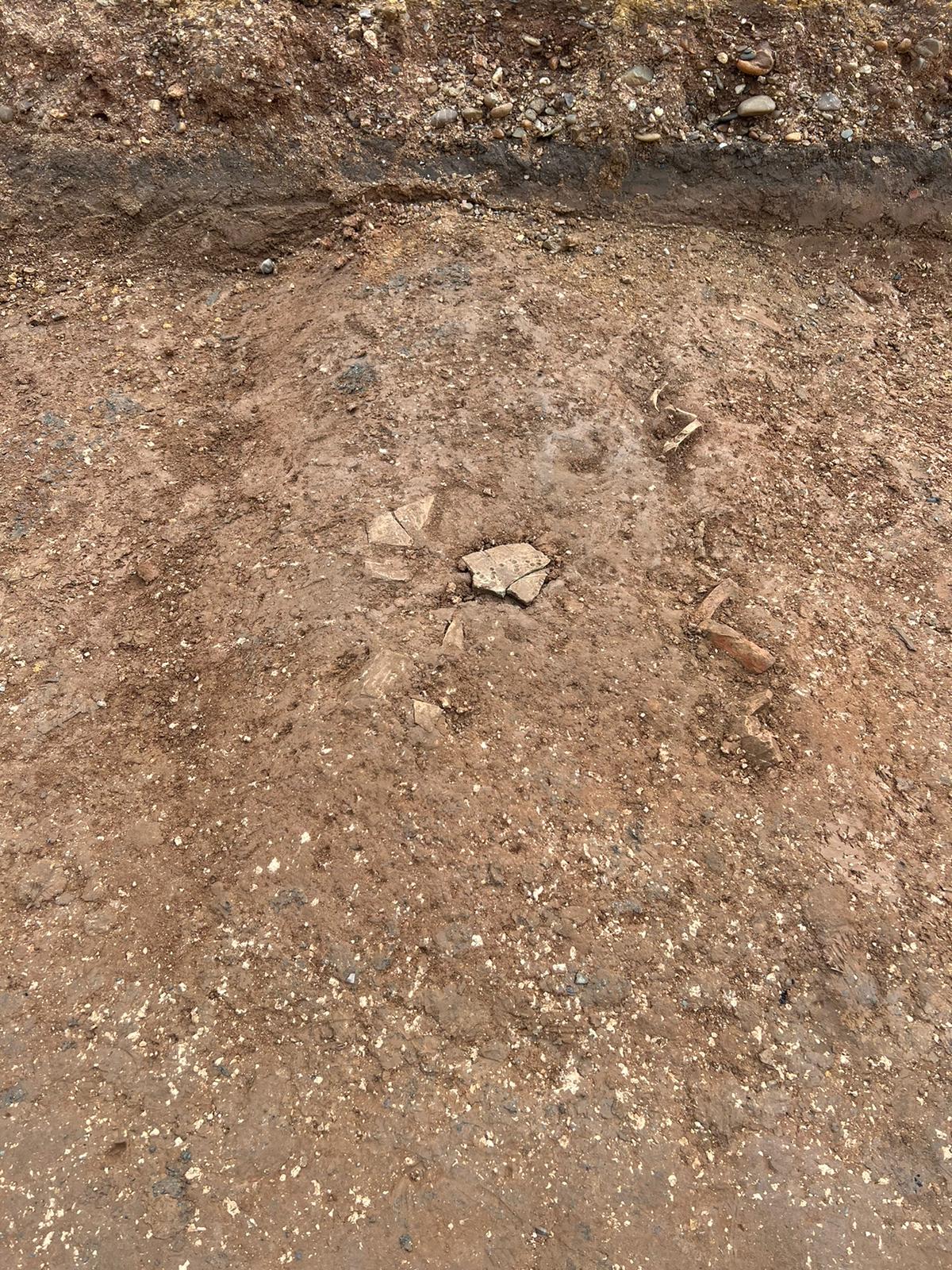
For the institution, this discovery is not only an archaeological fact, but a material confirmation of a long-standing memory ignoredThe continuous presence of Andalusian Muslims in this area of Seville for more than 900 years.
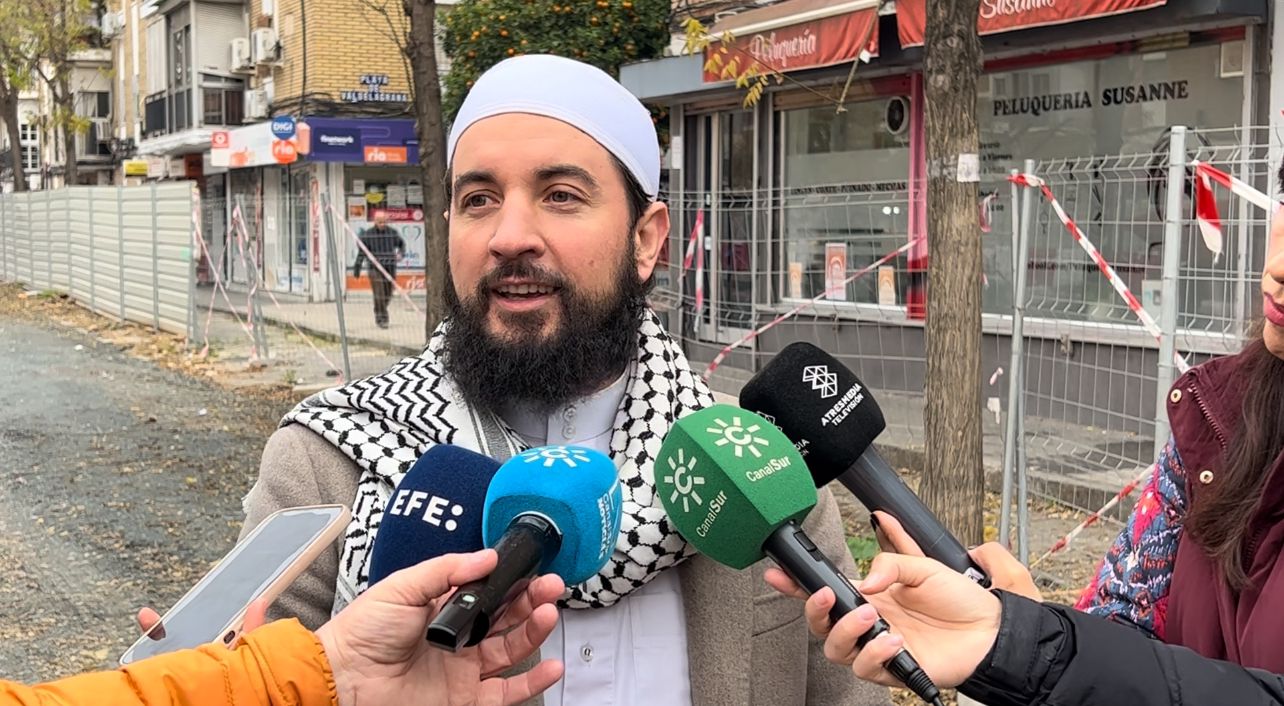
"Here it is shown that Muslims, the Andalusians, have not been part of the neighborhood for 20 or 30 years, but that we have been part of this place for more than nine centuries," said the Rector of the University, Sh. Mohammad IdrissiThe discovery was made after the official announcement of the discovery.
A discovery that challenges the neighborhood's history
According to the Rector, the university community was aware of the discovery weeks before it was made public. On approaching the excavation area and observing the orientation of the tombs, it became clear that it was a Muslim cemeteryinitially identified as a necropolis andalusí.
This fact is especially relevant because the Macarena area, traditionally considered as a peripheral space "outside the walls", had not been recognized until now for its historical weight during the Andalusian period..
"It has always been thought that this area was not so important historically, but this discovery shows that this is not the case. Muslims lived here, buried their loved ones here and were an active part of this urban space," Idrissi explained.
Memory, identity and belonging
For the Muslim community of the Macarena, the finding has a profound identity value. It is not only a question of archaeological remains, but of people who lived, coexisted and rested in this same place centuries ago..
The proximity of the cemetery -barely 200 meters from the University and aligned with the current Muslim cemetery on the avenue- reinforces the historical continuity of the space and gives it a special significance.
"It's not just that it's close to our downtown. It's that everything fits together: the neighborhood, the history, the present. All of this makes the discovery deeply meaningful," the Rector noted.
An Andalusian legacy to be celebrated
Al-Andalusia insists that this finding must be understood as a opportunity to dignify and make the Andalusian legacy visible.not only for the Muslim community, but for society as a whole.
In a context marked by an increase in Islamophobic discourse, the University considers it essential to remember that Islam is part of the history of Spain. and that this past can serve as a basis for present coexistence.
"The Andalusian legacy is part of the Spanish identity. It is something we should know, study and celebrate together," said Idrissi, lamenting the general lack of knowledge about fundamental Andalusian figures like Muhammad al-Idrisithe great cartographer whose maps were used throughout Europe for centuries, or Abbas Ibn Firnasdocumented pioneer of human flight.
Towards public recognition and an act of dignity
The Al-Andalusia Islamic University of Spain is currently in discussions with the District and the Junta de Andalucía to study the organization of a institutional act of recognitionto highlight the discovery and pay tribute to the people buried in this place.
The institution stresses the importance of any intervention being carried out in accordance with respect and dignityremembering that these are human beings who have been resting there for centuries.
"We are moved by the discovery, but it also gives us a feeling of respect and recollection. It is important that these people are treated with dignity while their remains are studied," said the Rector, who expressed his desire to be able to hold a commemorative and symbolic act, including an official prayer, as a gesture of respect and remembrance.
University, neighborhood and historical responsibility
For Al-Andalusia, this event reinforces its mission as an educational institution committed not only to academic training, but also to the preservation of memory, social dialogue and the construction of coexistence from knowledge.
The doors of the University and its centers have always been open to the neighborhood, and this discovery could be - in the words of the Rector - "one more step" to strengthen institutional collaboration and give the Macarena neighborhood the place it deserves in the history of Seville.
A past that comes back to help us look at the present
The discovery of the Andalusian Muslim cemetery in the Macarena is not only a glimpse into the past, but also an invitation to recognize ourselves in a shared historyto better understand who we are and to build a future based on respect and historical truth.
From Al-Andalusia, this discovery is assumed to be a collective responsibilityThe main goal is to take care of the memory, to explain it with rigor and to turn it into a tool of encounter.
For a first-hand account of the Rector's remarks and the full context of the discoveryThe full interview is available on the official networks of the Islamic University of Spain Al-Andalusia: Discovery of a Muslim Necropolis in the neighborhood of La Macarena.
 English
  Español